By Jessica L. Smith, Senior Opinion Editor
Looking back, not much has changed since I was seventeen. I listen to the same music, unwilling to distance myself from my teenage Phoebe Bridger’s obsession, and order the same coffee with a dash of caramel syrup. I still own an obscene amount of unread books that sit taunting me from across the room, some of which were probably purchased when I was that age and are still waiting to be appreciated. I cry over the same films, religiously order the same dish from my favourite restaurants, and still oddly love Snoopy more than myself. I reach for the same band t-shirts in my wardrobe and place the same My Neighbour Totoro soft toy on my bed each morning and continue to stumble over my words. Maybe I’m more patient, less frustrated with the world. I certainly no longer have the energy to attend multiple gigs in one week. Yet, if I’m honest, what a relief it is to not be seventeen. Sorry Zac Efron, but I’d rather not be 17 Again.
Undoubtedly, there’s a certain charm to being seventeen, a shimmering youthful magnetism that compels us. It’s a specific and strange moment in time, capturing the liminal space between the naive innocence of youth and the unparalleled prospect of adulthood. Poised for the future, albeit hesitantly, you’re full of a promise and energy that sparks everyone around you to ask the dreaded, irksome question: what are you going to do? There’s a communal experience to being a seventeen-year-old adult-child, one that perhaps we don’t recognise until later on. Instead, at the time, we’re too self-conscious and self-absorbed, aware of only our own minds, bodies, and individual experiences. It feels like you might just be seventeen forever, stuck in a youthful time blip, lacking responsibilities, and oblivious to the incoming inevitability of future failures, heartbreak, and life lessons.
Seventeen is a sensationalised age, marketed as the sweet spot that captures the perfect dose of youth, freedom, and fearlessness. Being seventeen crops up in conversation again and again, clinging like ivy to the music we hear, the films we watch, and the books we read. When artists delve into being seventeen in their work, more often than not, it’s through a rose-tinted lens. I’m sure many seventeenth birthday parties see ABBA’s ‘Dancing Queen’ blasted through a speaker, succumbing to the vision of being ‘young and sweet, only seventeen’. In their song ‘Nothing New’, Taylor Swift and Phoebe Bridgers, too, sing of ‘the kind of radiance you only have at seventeen’. Sharon Van Etten equally captures the complexity of looking back on the sweet nature of the age when she huskily sings ‘I used to be free, I used to be seventeen’. Radiance, innocence, freedom – a sense of wistful yearning for being seventeen is conjured up and shoved in our faces. In a society obsessed with anti-aging products and unrealistic beauty standards, this obsession with youthfulness comes as no surprise.
When The 1975’s Matty Healy sings of how he’s ‘sorry if you’re living and you’re seventeen’, finally, there is a disruption to the frequent exaggerated and nostalgic portrayals of being seventeen. What is often overlooked in these romanticised versions is the certain awkwardness that being seventeen embodies. You’re still learning the ropes, unsure of your place in the world, and forced to embark on a long-winded journey to find it. I was a messy, clumsy, exhausted seventeen-year-old, trapped in limbo and haunted by the feeling that I should be more ‘grown-up’, whatever that entails.
At first glance it might seem like a nice idea to be seventeen again – to be younger, more energetic, have less responsibilities, more freedom. Yet, looking beyond the nostalgia-laced surface, aren’t we glad to leave a naïve and disconcerting age in the past? If being bogged down by aging and our sense of responsibility has become what we associate with adulthood, drawing us to this past version of ourselves, it is about time that we leave this obsession behind and forge our own path. If I had the chance, I’d tell seventeen-year-old me to be kinder to herself, to bask in the age whilst you can, before being catapulted into the privilege that is growing up.
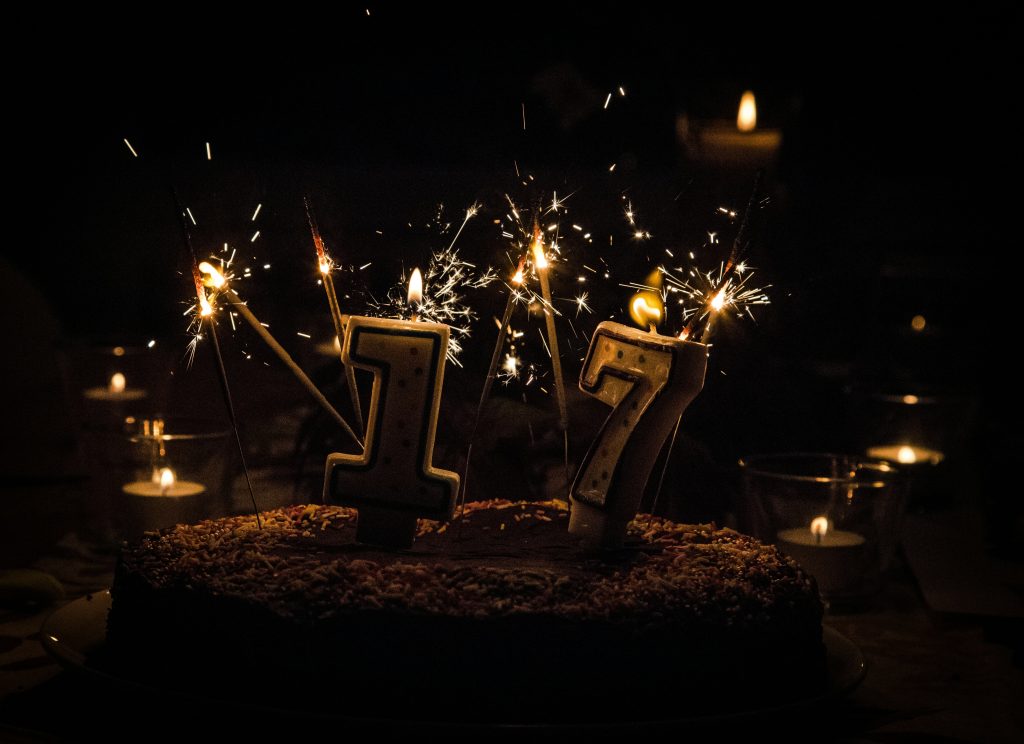
Image: Bernd Dittrich on UnSplash