
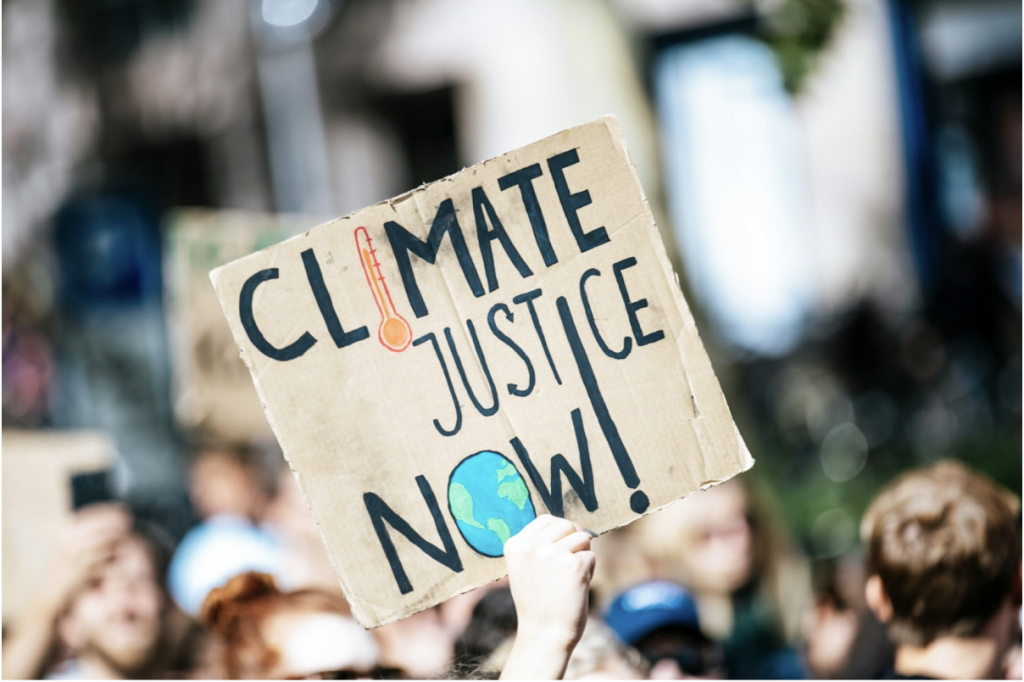
Are world leaders telling the truth about saving the planet, or just performing it?
By Liv Briens Montero, Staff Writer
From the 10th to the 21st of November 2025, over 190 countries gathered in Belem, Brazil for COP30, the 30th annual climate summit. As world leaders gather to shake hands and discuss environmental policies, one question quietly overshadows the official sense of unity and cooperations: How honest are world leaders about climate action?
COP30 marks ten years since the Paris Agreement, in which the nations present promised to attempt to keep global warming below 1.5°C. However, in late October 2025, UN Secretary-General Antonio Guterres stated that overshooting the 1.5°C global warming limit is now inevitable, citing a lack of new climate pledges.
The Paris agreement represented a real change as world leaders seemed ready to actually make a difference. It left citizens with a sense of hope, but 10 years later, have the promises been met?
Who shows up, and who does not
The opening days of the summit displayed a parade of high profile appearances. UK Prime Minister Keir Starmer, French President Emmanuel Macron, as well as Brazil’s President Lula da Silva, all photographed seeming united in the call for urgency. Their speeches struck familiar discourses of responsibility, presenting an image of a shared purpose.
However, the two most awaited participants were not in attendance. China’s President Xi Jinping and US President Donald Trump, leaders of the world’s two biggest greenhouse-gas emitters, skipped the conference entirely. The Trump administration also chose not to send high level representatives. How honest can global climate conversations be when the countries with the responsibility and ability to act are not in the room?’
Climate Policy Becomes Performance
The setting of COP30, deep within the Amazon rainforest, symbolizes global commitment to nature and climate. Yet, even this location reveals a crude example of the hypocrisy surrounding the summit. Brazil continues to grant new oil and gas licenses, whilst cutting down trees and building a road through the rainforest to accommodate for the summit itself. Climbing accommodation prices in Belem have made attendance difficult for poorer nations, the very countries that are affected firsthand by global warming.
The powerful countries in attendance claim accountability, whilst continuing to protect the very industries driving the crisis. Their staged solidarity contrasts sharply with domestic policies that expand fossil fuel extraction, weaken environmental protections, and delay real transitions. The performance of climate leadership is polished, but the substance behind it remains thin.
The Politics of Saying One Thing and Doing Another
During COP28, countries agreed to “transition away from fossil fuels”, but global oil and gas expansion continues. Only a third of the nations in attendance submitted the strengthened emissions-cutting agendas they were required to deliver ahead of COP30. Meanwhile, wealthy nations continue to fall short on climate finance, delivering about $90 billion of the $300 billion promised to vulnerable countries in order to adapt to climate impacts and invest in renewable energy.
Let’s be honest…Will COP30 make a difference?
Despite its tensions and contradictions, the COP summits have delivered impactful initiatives. The Paris Agreement accelerated the growth of renewable energy, and the pressure generated by these gatherings has pushed climate policy into the global mainstream. Yet even with such advances, the world has just recorded its hottest year on record. This reality shows that while COP30 still plays a symbolic and political role, it is not yet delivering the transformative shifts needed to slow the pace of global warming.
Climate honesty demands more than staged unity. It requires acknowledging the depth of the crisis and the clear gap between current policies and scientific necessity. The summit’s most urgent question is whether the world’s most powerful nations are willing to be honest and confront the uncomfortable truth: performances alone are no longer enough.
Image Credit Markus Spiske via Unsplash