
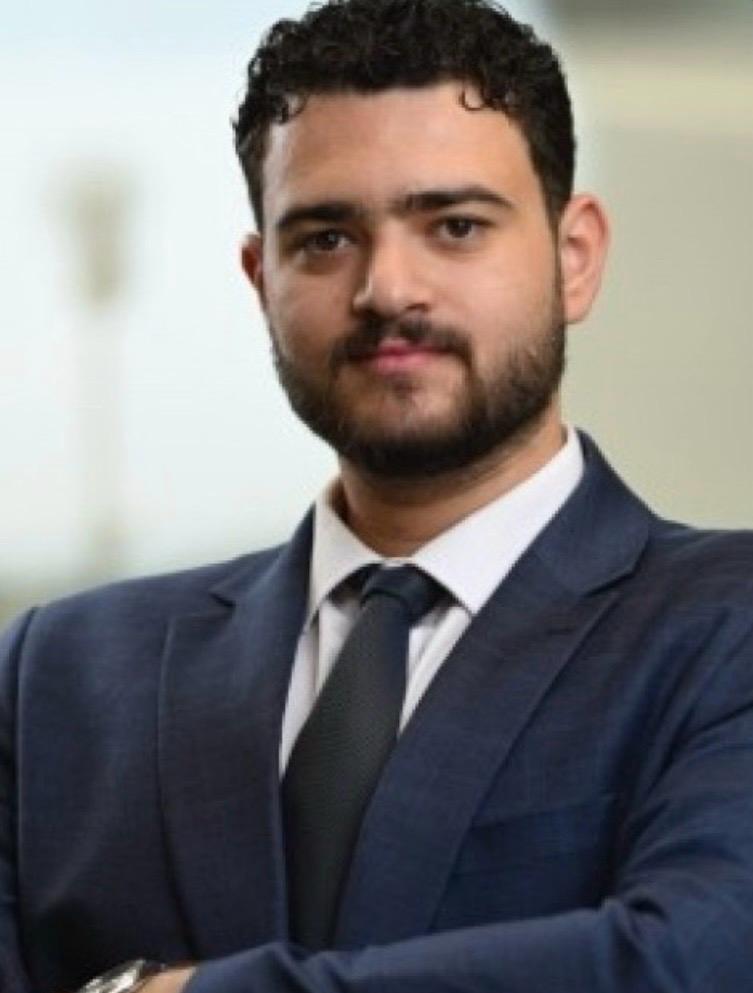
By Fatima Dadabhoy, Senior Lifestyle Editor
A conversation on ambition, work ethic, and pre/post-grad life.
1. What was your time at Royal Holloway like, and what are you doing now?
My time at Royal Holloway was a lot of fun it was both intellectually challenging and personally formative. Studying Economics gave me a structured way to understand how markets, incentives and human behaviour intersect. I valued how I was taught how to think, not just what to think. It was during Covid times, and we got to experience everything first hand. We endured online exams and lectures but overall, the experience really did prepare me for the working world. I now work for Deloitte Middle East as an analyst within the Strategy, Risk and Transactions. Working with different clients across different projects including clients from backgrounds such as government entities, Public Investment Fund entities and different Ministries. While working on projects ranging from Internal Audit to Valuations and enterprise risk management.
2. In what way do you think Royal Holloway shaped your career direction and work ethic?
My time at Royal Holloway, University of London played a significant role in shaping both my career direction and my work ethic. Academically, it exposed me to rigorous quantitative and economic thinking and helping shape who I am today. It shaped how I approach work; the academic intensity requires discipline, consistency and resilience. There were moments where I was managing complex material, deadlines, running a society, working a part-time job and also being a member of Hall life. Simultaneously while keeping up with friends and ensuring I do well in my academics which levitated my focus and learning to operate under that pressure built a stronger sense of accountability and long-term thinking in which has aided me today in my life and in my work.
3. You were a panellist for RH100. What kind of work did that entail, and how did that shape your life at university, if at all?
The RH100 is a large focus group made up of 100 student panellists from across Royal Holloway. The RH100 Panel helps to ensure that a range of views are considered in relation to developments at the university and on campus, while giving students an opportunity to leave their legacy. We worked on many cool projects together at university, with the university input on decisions which really had a positive effect on the student experience. We were always considered for our future and give an honest representation of our views at meetings and present our ideas forward. It helped me grow my team working skills as well as work on my presentation skills and public speaking skills also.
4. Looking back, is there anything you wish you had done more of during university?
Definitely make use of the free activities you can take part in at university and learning more about stuff outside of education. Including joining more societies, taking part in more sports and making the most of what is offered. Visiting the employment hub more to develop my interviewing skills, honing in on my soft skills that make me more employable. Applying to more spring insights, summer internships and worked harder to try and get better grades.
How did you fall into your current role as an analyst at Deloitte Middle East?
Through networking I got my CV landed in the decision makers lap from there I got referred to the position. I went through the standard procedures, HR screening, online test, first round interview, second round interview and final partner interview.
5. What does a typical day as an analyst actually look like? (Students often don’t understand what the role involves and think it’s just men in quarter zips shaking hands and typing on a computer)
There are no two days that are identical, a typical day often involves many different things from a combination of client meetings, analytical work and collaborative problem solving. On the analytical side, this means reviewing financial and operational processes, identifying potential risk exposures and assessing whether internal controls were designed and operating effectively. Which involves analysing datasets, mapping process flows and testing control frameworks.
Equally important is communication, a large part of the role involves translating technical findings into clear, practical insights for clients. This also means preparing reports, presenting observations to senior stakeholders and working closely with different departments to understand how risks impacts their operations.
6. What has been the biggest challenge transitioning from university into post-grad life?
Everything you do has a consequence. At university you can get away with handing in assignments late, sleeping in and missing lectures, you cannot do that day to day in post grad life. You are accountable and responsible; you won’t have anyone holding your hand and no one is coming to save you. You have to keep learning and growing and always remembering someone out there is working harder than you are to be where you are now. As well as realising you actually don’t have as much time as you thought you once had.
7. What skills do you think students underestimate when preparing for careers in corporate roles?
Communication skills, very important to learn how to speak to everyone from all the different backgrounds that there is. Disciplined, learning to manage your time well and staying focused on work. Also, very important but it is personal hygiene, not just showering but making sure your clothes are clean and ironed, shoes are clean when entering meetings and ensuring you speak well and not use vulgar language.
8. How important, would you say, is networking in your field, and how can students approach it without feeling intimidated?
Networking is very important, however, not in the superficial sense people often imagine. When it comes to fields like consulting and finance, relationships create access- access to information, opportunities and perspective. However, the strongest networks are built on credibility and curiosity, not just on self-promotion. Instead of wondering how this person can help me it is important to understand what this person can teach me from their path. Most professionals are open to talk about how they got to where they are if they listen well. At the end of the day most professionals are individuals as well, there is no need to feel intimidated and just be genuine around them. Attend events and talks that help you build on your networking skills.
9. What do you think made you stand out during the applications and recruitment process?
Being myself for sure. However, it was that I was able to articulate not just what I had studied, but how I think and how I approach problems. When it comes to applying for applications it is important to demonstrate ownership over your development, whether through academic projects, technical skills or professional experiences. Ensuring that you are well prepared also plays a large role. Understanding the role, you are applying for, what the expectations are and connecting your background to real business challenges made conversations more substantive.
10. How do you maintain work-life balance in such a demanding industry?
This comes down to you as an individual and how you are able to manage your time and your discipline. There will be periods of intensity especially in consulting or finance, but sustainability comes from disciplined habits. For me that means making time for sports, maintaining consistent routines and being selective about where I invest my energy. Understanding that long-term performance requires recovery and that without it productivity declines.
11. If you could give your first-year self-one piece of advice, what would it be?
Get the best grades possible and just know you will be alright; everything happens for a reason, and you wouldn’t be here today if that wasn’t the case. It all works out in the end. Put yourself in more uncomfortable situations to grow from it.