
By Matthew Gibbons, Staff Writer
To be honest with you, I don’t think honesty is always the best policy.
That’s what we’re taught – that honesty, the practice of being transparent and truthful, is always a good thing to abide by, a fundamental beacon of morality. Truthfulness improves relationships, builds trust, and harmonizes teamwork, so we should strive for maximum honesty at all times…But, is that really the case?
It’s deeply ironic that ‘to be honest with you’ is an age-old saying, and that this article starts with it. It’s rarely taken literally, but it still implies that we’re not usually fully honest. Honesty isn’t just telling the truth, it’s a scale of how much of the truth we choose to share. There is a difference between telling lies and ‘white lies’, telling something that is patently untrue versus selectively omitting parts of the truth. What honesty is really about is being transparent and forward in your views, beliefs, and opinions. It pertains to transparency with others personally, in work and relationships. Generally, this is a good thing, but there are cases where honesty is unhelpful.
Usually, it’s easiest and most intuitive to just tell the truth. Lying creates complications, especially if it leads to more lying to cover up a truth. Yet, there are times when it is simplest to skim over the facts, to avoid worrying a loved one, to ease a friend’s mind – perhaps if they were worried about the cost of something or someone else’s opinions of them, it might cause less harm not to share the entire truth with them. In the context of jobs or classes, it may be in our personal interests not to put all of our opinions forward. Even if a topic we feel strongly about comes up, being honest about our views may cause more arguing than is worthwhile. If you disagree with the rest of the team about how to design a presentation, or dislike a gift from a family member, would you really express your honest opinion and fixate on trivial issues, potentially hurting the feelings of a colleague or relative?
The counter to this, however, is that it encourages toxic positivity. If you always just agree, even with trivial examples such as these, it will set expectations of you. You will be inclined to self-censor anything negative that you have to say. If you do decide to express your honest opinion, people will react more strongly because they won’t be expecting it at all! It becomes a difficult line to walk between being agreeable and honest. People shouldn’t be afraid or timid in expressing their real opinions, especially if it is important or causing a problem – but when an opinion is negative or simply against the majority, it’s much harder to be honest about it.
In more serious cases, people might be ostracised and shunned from their groups for expressing unpopular opinions, perhaps about a particular decision made by an organisation or a political debate. Is it worth inviting arguments, or is it better not to stir the pot?
The solution to this dilemma might simply be to become as informed as possible – and failing that, to be open-minded. The more you commit to any views, especially unpopular ones, the more you risk social currency and acceptance – but if you are convinced that you are right or that there is value in doing so, you should do it. Knowledge is power, and the more informed and better justified your opinions are, the more others will respect it, even if they disagree.
If in doubt, say less and listen more. Understanding why others hold the opinions that they do is a fantastic way to learn and improve your communication – even if you aren’t sure or disagree with mainstream opinion, now you can explain yourself better and make all kinds of conversations less awkward. Maybe you were treading on eggshells and telling white lies when you didn’t need to, but you just needed more information to put confidence into speaking your own honest thoughts.
Honesty is not always the best policy – but that shouldn’t stop us from trying our best to understand and communicate what we really think and feel.
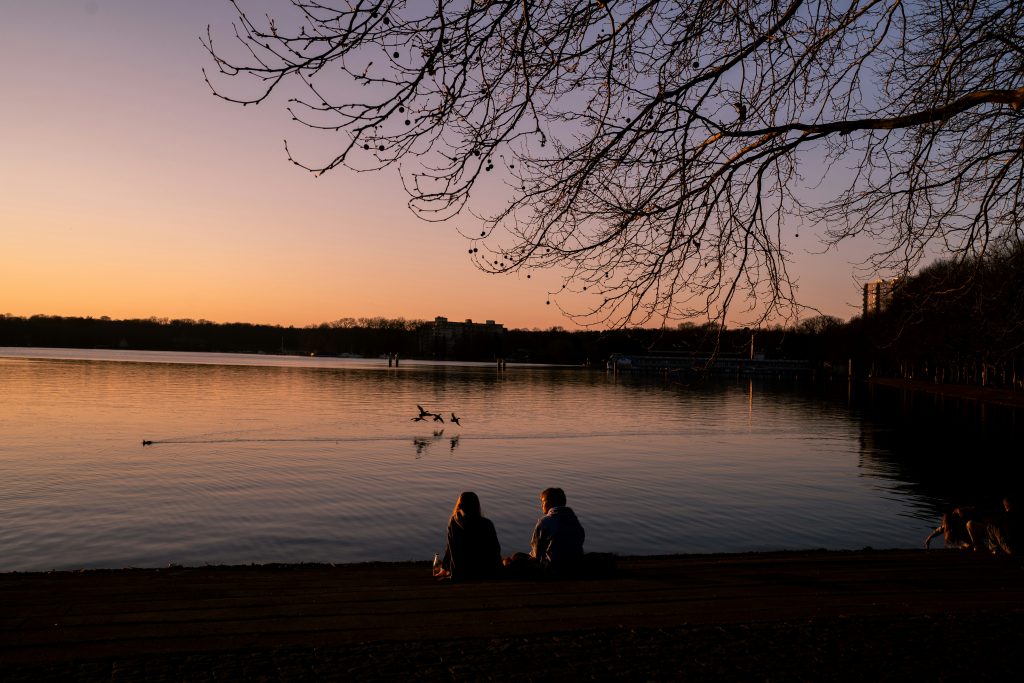
Photo by Kishore Vaddadi on Unsplash