
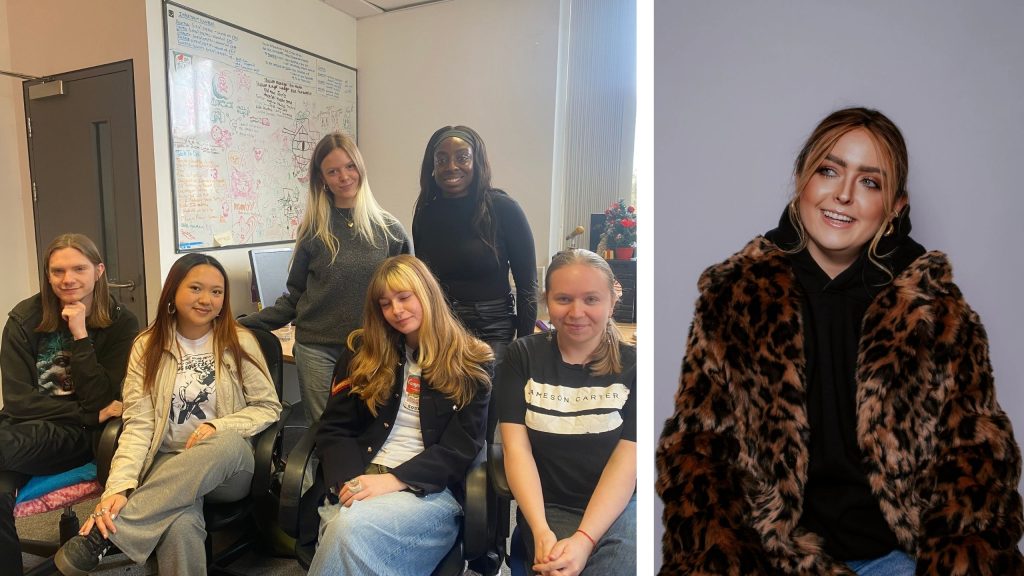
By Ruby Sharkie, Associate News Editor
With the rise of streaming services, on demand and AI, its easy to assume that radio is an old and dying industry… and that may also have been my opinion, before I found out what it really is when researching this article.
I found that radio isn’t dying, it’s constantly evolving and adapting. From the 19th century to the 21st, radio has helped humans to wirelessly communicate – whether it be Morse Code, military messages, news, drama performances, music and so much more.
So, whether it’s a shift from interior design to the BBC or student presenters finding their voices for the first time, the “magic” of the mic is as potent as ever. I went behind the scenes to speak with the producers and presenters who prove that radio’s heart is still beating, louder than ever.
Louise:
Louise Parker’s career journey highlights the transformative power of radio. After a decade in interior design, she transitioned to the industry in the pursuit of making a positive impact on people’s lives. She grew up with radio, making her own homemade radio shows at just 10 years old.
Late last year, she landed an apprenticeship in radio producing at BBC where she was welcomed by a friendly team – a change from the “dog eat dog” world of interior design.
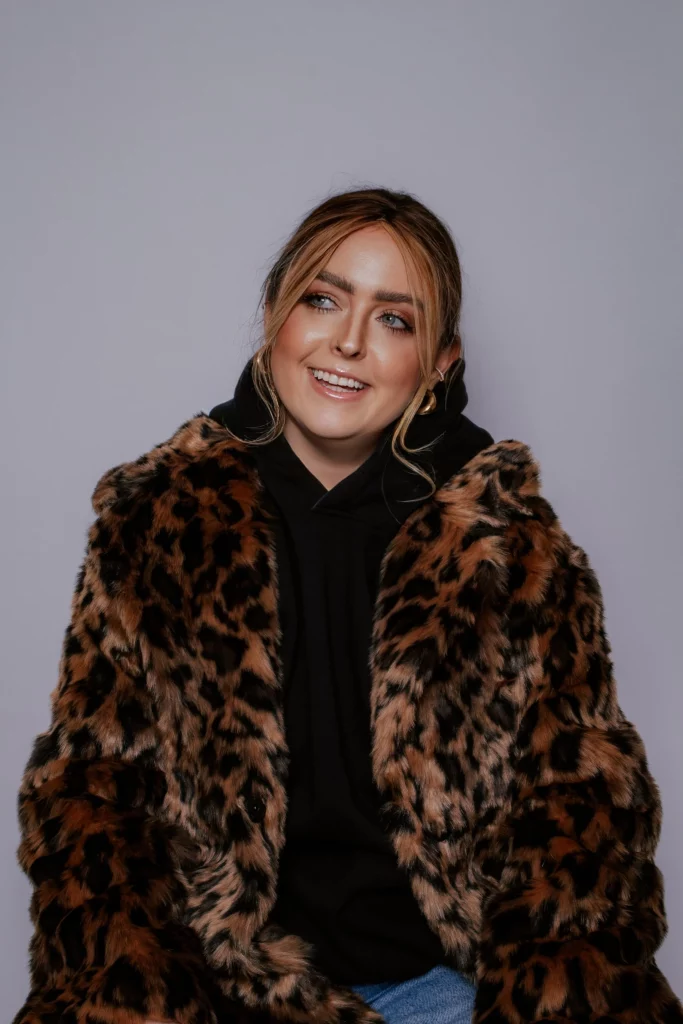
Louise notes that radio remains relevant by adapting to new technologies like using multi-platform work, for example using clips from radio shows to post on social media, giving the audience that visual aspect to the shows.
While this digital shift can mean a lack of anonymity for presenters, it offers vital opportunities for networking and audience growth.
Additionally, Louise pointed out that the way people tune into the radio has changed over the years, now there’s an increase in smart speakers so they need to know what to specifically ask for.
This is reflected in a May 2025 report from Ofcom, that reported: “looking at what people are listening to on smart speakers, online live radio retains the greatest share, accounting for just over half of time spent listening (55%).”
Louise also emphasised the importance of local radio as “you can directly see the impact”, whether it be through meeting people, or their trust in you to tell their story.
Now an Apprenticeship Ambassador, Louise visits schools to promote apprenticeships as a viable career path – hoping to help young people just as it helped her. For those looking to follow in her footsteps, she emphasizes that resilience and confidence are the most essential traits for success in the booth.
Insanity Radio:
While professionals like Louise shape the industry at the BBC, the next generation of radio is finding its voice at student stations such as Royal Holloway’s Insanity Radio.
In the well-kitted studio, a myriad of buttons lit-up in front of me, with multiple signs stating “No Swearing On Air” scattered around the room, I had the privilege of speaking to Kayla, an English and Creative Writing student, using this platform to host Reverie, a show dedicated to Sci-fi and Fantasy.
This will be Kayla’s third year doing Insanity Radio and she says her favourite thing about student radio is the creative liberty she gets when researching and curating her playlists and topics for her shows.
“I like that I can talk about whatever comes to mind,” Kayla told me.
Kayla also hosts the Community hour talk show on Monday at 12-1pm, where she has guests on including Sabbatical Officers and Wellbeing officers.
Kayla told me how she plans to pursue a career in radio after graduation, viewing the station as a low-pressure, accessible platform to learn key transferable skills – great for her CV.
But, there are still some limitations for Insanity radio, as they must comply with Ofcom regulations, some of these rules include: no swearing, no mention of alcohol or drugs and no controversial topics. Nevertheless, setting them up for the reality of the restrictions of the radio industry.
Insanity Radio group interview:
A group interview with award-winning team members, including Natalia, Maya, Leah, Lexie, Nadine, Orriss, and Debra, revealed a shared passion for everything from live gigs to the simple joy of “waffling” on air.
Natalia, who hosts Muzyka Mundi – a polish speaking show at 1pm on Mondays – who says radio is a great way for her to communicate with her parents and community in her native language.
Their collective advice for building confidence on air was to speak slower, utilize scripts, and seek guidance from senior management.
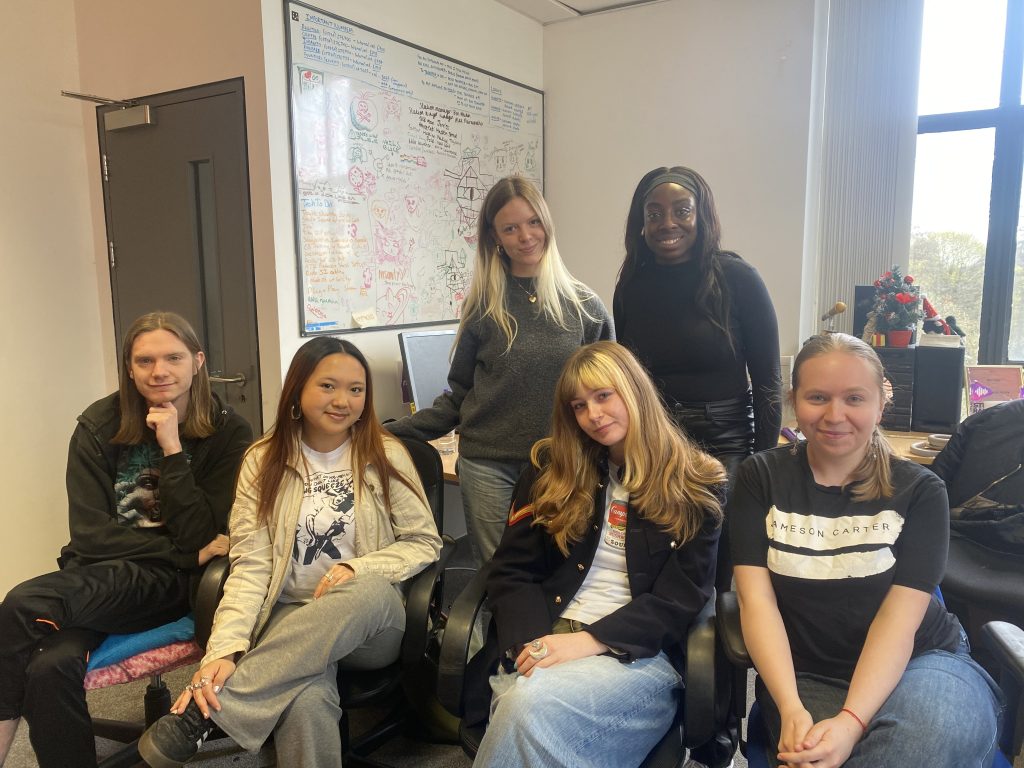
“The pauses aren’t as long as you think they are, in fact, talk slower,” – was some advice one of the presenters offered, to which everyone in the room agreed.
Many of the group wanted to pursue radio in the future, whether it be as a career, hobby or by using its transferable skills and they all stressed the multitude of pathways within radio that makes it so accessible.
Each presenter puts time and effort outside of their studies to script and curate a playlist for their show. Insanity radio says they are able to work around this by having lots of members to delegate different roles to – emphasising the endless pathways within radio, for example: social media, producers, tech, music, PR, presenters, and many more.
Another aspect of radio the interviewees talk about was the community it builds. This seems to be a key theme in radio. They spoke of the smaller, targeted reach of the radio station and the physical studio drawing the group together to create a tight-knitted “family”.
One presenter expressed the satisfaction of local radio being far less likely to be taken over by AI in the future due to its importance in local communities. For example, Insanity Radio is targeted specifically for students at Royal Holloway, looking to get more acquainted with the campus life.
This showed that, although I began this piece wondering if I was documenting a dying industry, I instead found a community brought together by their love for music, communication and media.
The interviewees in this article have taught me that radio is no longer just about a voice in a dark room; it’s a multi-platform, thriving industry that continues to offer a valuable space for generations to come.
In fact, radio continues to prove that the most powerful tool we have is still the human voice.