
By Matthew Gibbons, Staff Writer
Trigger Warnings: Mentions of neo-nazism, racism, homophobia
Crisps crunching, cans being tossed and cracked open, keyboard keyboard – this is the sound of the pale, unwashed 30-year old virgin dwelling in his mother’s basement, hunched over in front of a computer screen, chugging energy drinks and arguing viciously with strangers on Twitter…
This is the prime example of the ‘chronically online’ stereotype. Coined in the 2010s, it refers to people who spend most of their time online and hardly ever leave their room, let alone go outside. Typically characterized as unemployed, socially inept and lacking face-to-face human interactions ‘In Real Life’ (‘IRL’) these ‘chronically online’ people are generally unfamiliar with showers or sunlight…so obviously this is an exaggerated and pejorative term.
What is described above is a caricature – a diverse range of people with wildly differing personalities, habits and views could all be categorized as ‘chronically’ online, just because they spend a noticeably high amount of time online, but very few of them actually have the traits of the definition. It wouldn’t be unfair to say that the stereotype above has been manufactured by entrenched societal views and patriarchal expectations that deem things like reliance on parents, high consumption of caffeine and virginity as inferior or improper. Although it has rightfully called out unhealthy/antisocial habits, it has wrongly demonized young, vulnerable people in difficult circumstances outside of their control. For every ‘cyberbully’ and ‘troll’ among the ‘chronically online’, there are many who are fairly ordinary and decently healthy. Most of the ‘chronically online’ probably don’t have awful hygiene or diets – they might just on the internet a lot because they are marginalized or disadvantaged in the ‘real world’. They may be socially anxious and isolated at school or work, physically distant from communities and opportunities, disabled, neurodivergent, queer, or simply an enthusiast of something perceived as ‘cringeworthy’.
Anonymity is in many cases the fundamental difference between online spaces and ‘real spaces’ (although the term ‘actual spaces’ is more accurate, since online spaces are just as real as face-to-face communication, the difference is merely the interface). Anonymity provides protection for marginalized groups, and removes fear of judgement – you can hide your real name and face online, and even meet individuals with similar experiences and form communities with others like you, without any of the harassment, exclusion or bullying that can occur ‘in person’. It’s an attractive prospect for all of the aforementioned minorities, but also for more heinous things – extremists like neo-nazis and racists can go about spewing hate speech online without much consequence, and amass in private communities remotely. What this shows is that being ‘chronically online’ is not as simple as one demographic, set of beliefs, or morality. A talented but socially inept artist is not equatable with an antisemetic ‘influencer’, certainly not in terms of harming others: but both have been lumped under the definition of the ‘chronically online’.
The notion of being ‘chronically online’ was so novel a decade ago that it was easy to point it out as a bad thing, just because it was abnormal – the obviously adverse effects on physical and mental wellbeing made it easy for ‘normies’ (that’s a derogative and ironic term for a normal person) to frame the narrative of being ‘chronically online’ as a degenerate ‘lifestyle choice’ that was entirely the fault of the individual. By 2026 however, research into online social networks has exposed how excessive time online is largely influenced by the addictive design of social media, and coercive designs of the businesses who operate them. The Internet has become more normalized over time, but an event in 2020 bolstered focus and understanding of its machinations rapidly for almost everyone via experience – the Covid-19 pandemic.
While coronavirus spread across the globe, it was almost as if everyone was forced to become chronically online. Children, parents, people of all ages and demographics were stuck at home for school, work and leisure, and even those without prior inclination to go online spent far more time on the internet, often because they had no other choice. Students relied on Microsoft Teams for classes, families relied on Zoom to stay in touch with relatives, and friend groups played more videogames – Among Us notoriously soared in popularity during this time, partly due to their captive audience of millions who couldn’t go outside. The entire world was forced to catch up with internet tools and culture, and in the times since many ‘chronically online’ behaviours have become more understood – since it wasn’t as abnormal anymore, it wasn’t as demonized.
That’s not to say it was encouraged or respected much however – in the years since the pandemic, many have expressed how isolating the experience was and what a relief it was to ‘go back to normal’. Even those who made the most of it, discovered the joys of the internet for the first time, or were highly active on the internet prior, have since made efforts to do more living in the ‘real world’. People and organizations have become more aware of the problematic side of using the internet, and how the internet itself has changed since the 2010s. Posts encouraging ways to balance health and regulate time online are more common than ever before. ‘Doomscrolling’ and ‘Digital detox’ have entered the vernacular.
As the 2020s rolled on, the term ‘chronically online’ fell out of cultural relevance – sure, people who are so isolated from their physical surroundings that they are out of touch with reality still exist, and it is still a problem for some. However, the term is far more understood now and there is a distinction between lazy freeloaders and genuinely talented artists, writers, developers and other talents that rely on deep investment in time online. Take the massively successful and culturally influential tv shows Hazbin Hotel and The Amazing Digital Circus, which dominated algorithms and spawned fanbases that continue to engage people online to this day. ‘Content Creators’ on ‘YouTube’ are viable careers now, and exceptional individuals continue to maintain worldwide fame both on and off the platform – Mark Fischbach is most known for his gaming videos as ‘Markiplier’, but recently he also released a movie in theatres across the USA, selling tickets in the millions within hours. People who might’ve been categorized as ‘chronically online’ and lumped in with jobless NEETs ten years ago now lead global arts, business and culture, with astonishing success stories that may only just be beginning.
Today, being ‘chronically online’ carries much less meaning than it did ten years ago – not only is it a stereotype, not only is its meaning relative since everybody got a taste of excessive time online in 2020, but society relies on the internet now far more than it did in the 2010s, and the diversity of people who would’ve been considered ‘chronically online’ in 2016 is even greater than before. Being ‘chronically online’ does not necessarily mean that you are immoral, or unproductive, or unworthy of love and friendship, it never has. We should all strive for healthier lifestyles consistently, routines and habits that keep us connected to the people around us and the natural world – but those things aren’t mutually exclusive with time online, socializing and making art, maybe even starting careers. The Internet does not need to be entirely and indefinitely abandoned to live a healthy and socially acceptable life.
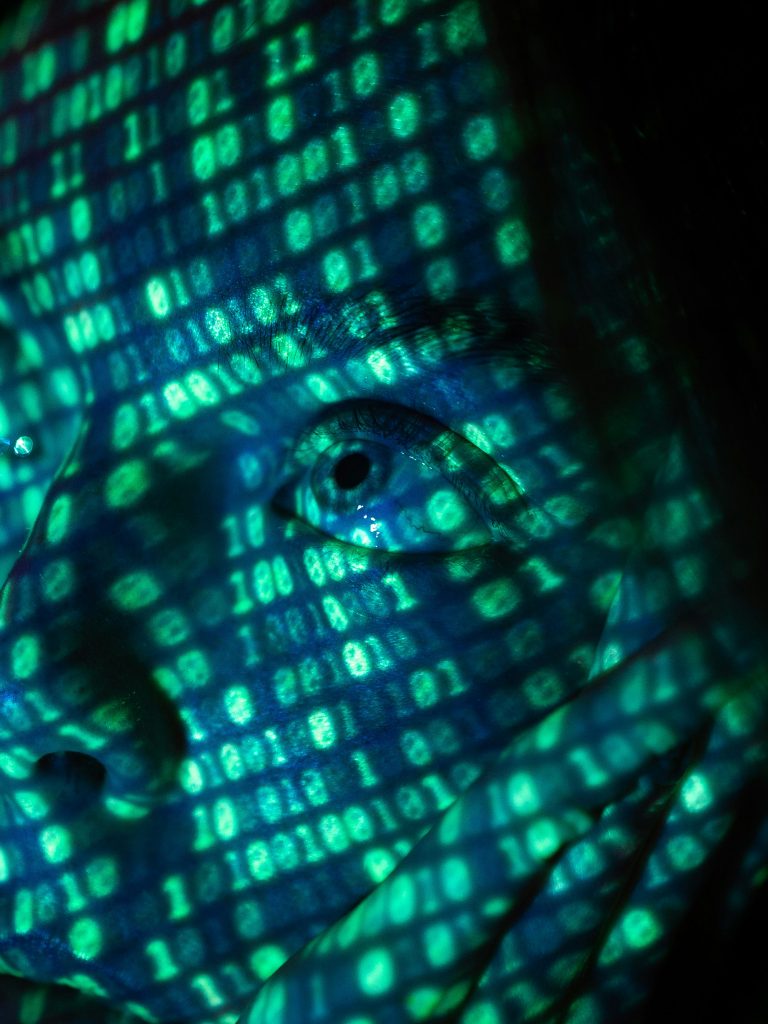
Photo by Evgeny Ozerov on Unsplash