
By Marnie Baker, Staff Writer
Honesty is a fundamental part of life and growth. It enables us as human beings to connect not only with ourselves, but with others. It allows for whole, meaningful relationships and a fulfilling life rich with discovery and freedom. But is it integral for writers to be honest, and what is the purpose of honesty in literature?
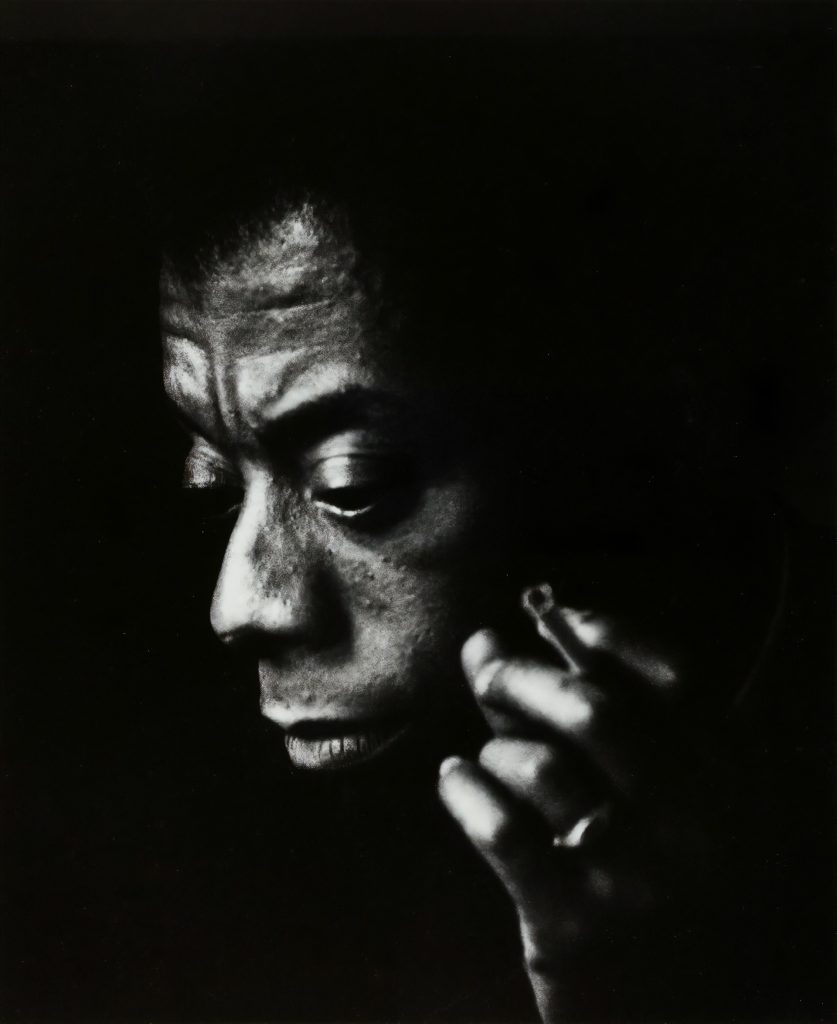
Whilst fiction may seem to be simply fabrication or invention, there are often always traces of truth, however small, within a writer’s work. For writer and civil rights activist James Baldwin, honesty was a quality within his writing that he found inescapable. His goal was to be “an honest man and a good writer”, implying that the two are intrinsically interlinked. Alongside being a monumental figure in Black history, Baldwin reminds readers that a writer is also a human being with morals that interact with their work. This honesty he speaks of is a powerful tool, with the ability to confront personal truths as well as societal and historical ones, contributing to wider movements of liberation. The act of writing for Baldwin is an act of surrender, of surrendering to the reader, but also to oneself and one’s experiences, good or bad. As he says in his Autobiographical Notes: “Everything depends on how relentlessly one forces from this experience the last drop, sweet or bitter, it can possibly give”. Perhaps, then, honesty acts as a foundation for being a great writer and a ‘good’ person.
Honesty may be important, but it is not always necessary to be wholly honest in order to produce great writing. Writer Joan Didion, in her essay Why I Write, describes writing as “the act of saying I, of imposing oneself upon other people”, differing from Baldwin’s sentiment of surrender. Whilst both writers use language in a sophisticated and expressive way, Baldwin’s voice is rich with the anger, pain and passion that comes with facing the kind of oppression he did, whereas Didion remains at an arm’s length from her work and the reader. Her voice is objective, almost detached, whilst Baldwin’s shines loudly. This creates an absence of personality in her writing, causing it to feel inauthentic, almost Woolfian. Even her ‘notebook’, South and West, borders on performative, as if she is editing her own voice whilst speaking. The refusal to confront her own truths and opinions leads to the reader having difficulty connecting with her work. Despite the elegance of Didion’s prose and her compelling narrative tone, her writing at times feels emotionally fruitless, due to this lack of surrender. The withholding of herself from the reader gives her power, whereas in Baldwin’s work he is not imposing a view, thus shifting this power onto the reader.
Drawing the discussion of these two great writers together, we can discover the power of honesty in writing, which is primarily from its rawness. The author laying out their emotions, ideas and experiences creates a ‘pure’ work for the reader to consume and then form their own judgement on. For Didion, honesty is something that can be avoided or imitated. For Baldwin, his honesty is a duty for him and his people, providing them with the voice that they previously lacked. For him, and for many other writers, writing about his experiences was ‘a gate to unlock’ before he could write about anything else. This therefore proves the value of honesty. It forces us to reckon with ourselves and our voices; it makes us better writers and better people.
Honesty is not necessary for great writing, proven by Didion. But to be a great writer, honesty seems to be a moral responsibility. It is not about false authenticity, self-preservation or objectivity: it is about capturing the most human parts of oneself and sharing them with the world. Writing after all, is the examination of the world, and without honesty what is its purpose?
Image credits: Judaica Europeana on Unsplash